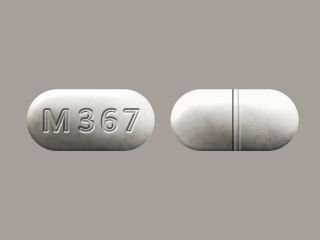
Hydrocodone 10/325mg
- Estimated Delivery : Up to 4 business days
- Free Shipping & Returns : On all orders over $200
Is hydrocodone a drug?
Hydrocodone is an opioid that can be that is used to treat the persistent and extreme pain that requires a prolonged period of treatment with a regular opioid pain medication. It is used when other non-opioid pain medications aren’t able to treat your pain effectively enough or you are unable to endure them.
It is available in extended-release, long-acting (ER) tablets (Hysingla ER, Zohydro ER (discontinued) generics) or in combination with acetaminophen and ibuprofen. Other combination hydrocodone drugs that contain pseudoephedrine, phenylephrine or phenylpropanolamine are removed. The hydrocodone drug is not available or recommended for use in children.
Long-acting opioid pain medication like hydrocodone bitartrate ER tablets are a risk of overdose and death. Even if you follow the correct dosage as directed there is a risk of addiction to opioids or abuse and misuse which can cause death.
Tablets for Hydrocodone ER are to be used only for emergencies and should not be used in the “as needed” basis.
The first tablets of Hydrocodone ER received FDA-approved on the 25th of October 2013 as a brand under Zohydro ER. Generic bitartrate hydrocodone ER tablets are sold.
Hydrocodone is a class of substances as substances under Part II of Schedule to the Controlled Substances Act.
Important Information About Hydrocodone
Seek emergency assistance or dial 911 in the event that you have taken excessive amounts of hydrocodone (overdose). When you first begin taking hydrocodone, or when the dose is altered or if you consume too many (overdose) severe or life-threatening breathing issues that could cause death could occur. Talk to your physician about medications such as naloxone and the drug nalmefene which could be used in an emergency situation to stop an overdose of opioids.
The use of hydrocodone along with other opioid medications such as benzodiazepines, gabapentinoids (gabapentin or pregabalin), alcohol, or any other Central nervous system stimulants(including streets drugs) can result in severe sleepiness, drowsiness breathing as well as coma and even death.
Do not offer anyone else your hydrocodone. It is possible for them to die the use of the drug. Giving away or selling hydrocodone is illegal.
Storage of hydrocodone safely away from the accessible to children, and in a place that is not accessible to others, such as guests to the house.
Side Effects
The possible side effects that could be caused by hydrocodone include nausea, constipation and vomiting, sleepiness, fatigue, headache dizziness, nausea and abdominal discomfort. Consult your physician in case you experience one of the symptoms, and they are serious.
For medical emergencies, seek emergency help or dial 911 right now if:
- Trouble breathing or a shortness of breath
- Heartbeats that are fast or chest pains
- A swelling on your tongue, face, or the throat
- Extreme drowsiness
- Headlights when changing positions, or feeling faint
- Agitation
- High body temperature
- Trouble walking
- Muscles are stiff
- Mind changes, such as confusion.
This is not the only list of possible side effects that hydrocodone can cause. Consult your physician for advice regarding medical possible side effects. You can report any side effects to the FDA at 1-800-FDA-1088.
Before Taking
Do not use hydrocodone when you suffer from:
- Trouble breathing, severe asthma or any other lung issues
- A bowel obstruction or constriction in the stomach, or the intestines.
Before you begin taking hydrocodone, you must inform your physician if have an history of:>
- Head injury, seizures
- Thyroid, kidney, liver issues
- Problems with urination
- Gallbladder or pancreas problems
- Heart rhythm problems (long QT syndrome)
- An history of abuse of prescription or street alcohol, drugs and opioid overdoses, or mental health issues.
Inform your healthcare provider whether you’re:
- Noticing your pain getting worse. If you notice that your pain is getting worse following the use of hydrocodone don’t take any more hydrocodone before talking to your healthcare professional. Speak to your doctor when the pain is causing you pain increases, you feel more sensitive pain, or are experiencing new pain following taking hydrocodone.
- Expecting or expecting to be expecting. The use of hydrocodone over prolonged periods during pregnancy may trigger withdrawal symptoms in your baby, which can be life-threatening if detected and treated.
- Breastfeeding. It is not recommended while taking hydrocodone. It can cause harm to your child.
- A home with youngsters or someone has used street drugs or prescription drugs.
- Prescription or over-the counter medicine including vitamins or herbal supplements. Combining hydrocodone with other medications could cause serious side effects, and even result in death.
How do I Take Hydrocodone?
Hydrocodone ER tablets are to be taken one tablet at one interval of every day, at least once. Don’t soak or lick the tablet prior to placing it in your mouth to prevent being able to choke with the tablets.
- Take hydrocodone ER tablets completely. Don’t break, cut chew crushing, dissolving or snort hydrocodone as this could result in an overdose and even die.
When you take hydrocodone:
- Do not change your dose. Follow the exact dosage as recommended by your doctor. Take the lowest dose you can in the shortest amount of time.
- You should take your dosage of hydrocodone as prescribed by your doctor ER each day and simultaneously each day. Do not exceed your dose prescribed in 24 hours. If you are unable to take a dose, you can take the next dose at the same time the following day.
- Consult your physician If the medication you’re taking isn’t reducing the pain.
- Don’t stop using hydrocodone ER tablets until you have spoken to your healthcare professional.
Get rid of expired, unneeded hydrocodone, which is not used, by taking it out of the drain if the option to take it back isn’t readily accessible. Visit www.fda.gov/drugdisposal for additional information on disposal of unused medicines.
What should I avoid while taking hydrocodone?
When taking hydrocodone do not:
- You should not operate or drive machines until you understand the effects of hydrocodone on you. Hydrocodone can cause you to become tired, dizzy or even lightheaded.
- Drink alcohol, or take prescription or over-the counter drugs which have alcohol in them. Drinking alcohol-based products in hydrocodone treatment could cause overdoses and possibly die.
Dosing information
It’s more secure to underestimate the dosage of a patient’s oral dose of hydrocodone and offer the patient with a medication to help them get back on track (such as an opioid that is immediate-release) rather than overestimate the dosage of oral hydrocodone for 24 hours and deal with any adverse reaction resulting from an overdose.
Adult Dose Of Hydrocodone ER for Chronic Pain In Patients who are not Opioid Tolerant
- Initial dosage:Â 20 mg orally every 24 hours
Adult Dose of Hydrocodone ER When Converting From Other Opioids
Although useful tables of equivalent opioids are accessible, there is inter-patient variations in the strength of opioid drugs and formulations. Frequently reevaluate patients for signs and symptoms of opioid withdrawal and for signs of oversedation/toxicity after converting patients to hydrocodone.
- See the Hydrocodone ER Prescribing Information for Conversion Dosage Information.
How do I react if consume too much?
For medical emergencies, seek emergency treatment or contact for help at the Poison Help line at 1-800-222-1222. A hydrocodone overdose could cause death, especially for the case of a child or another person who is taking the medication without prescription. Overdose symptoms may include extreme drowsiness, a sharpening of pupils, a slow breathing rate, or not breathing.
The doctor might suggest that you purchase Naloxone (a medication that reverses an overdose of opioids) and carry it on hand throughout the day. The person who is caring for you could administer Naloxone in the event that you lose your breath or don’t regain consciousness. Your caregiver needs to get medical assistance in an emergency and could be required to perform CPR (cardiopulmonary Resuscitation) on you as they wait for assistance to arrive.
You can purchase naloxone at the local pharmacy or health department. Be sure that anyone who cares for you understands the location where you store your naloxone and how to make use of it.
What other substances can alter hydrocodone?
There may be breathing issues or withdrawal symptoms when you take or stop taking other medications. Talk to your doctor if also take medication such as an antibiotic or antifungal medication. blood pressure or heart-related medications, seizures medication or medication to treat HIV as well as Hepatitis C.
Opioid medicine may interact with other medications, causing serious side effects or even death. Be sure your doctor is aware if you are taking:
- medications for allergies or colds such as bronchodilator asthma/COPD medicine or a diuretic (“water pill”);
- medications to treat motion sickness IBS, motion sickness, or an overactive bladder.
- Other opioids – pain medication for opioids and prescription medicine for cough
- a sedative that is similar to Valium (also known as diazepam alprazolam lorazepam, Xanax, Klonopin, Versed, and others;
- substances that cause you to be tired or cause breathing to slow A sleeping pill, a muscle relaxer, or medicine for treating mental illnesses or mood disorders as well as
- medications that affect serotonin levels within your body A stimulant or medication to treat Parkinson’s disease, depression, severe infections, migraines such as vomiting and nausea.
This list isn’t complete. Other drugs can be incompatible with hydrocodone, such as medications that are prescribed and available over the counter, vitamins, and herbal products. The interactions of hydrocodone aren’t all included here.
| Quantity | 50, 100, 200 |
|---|

Amelia –
Leo Phillips
Would happily use again