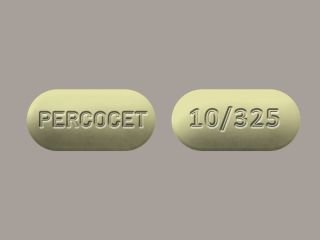
Percocet 10/325mg
- Estimated Delivery : Up to 4 business days
- Free Shipping & Returns : On all orders over $200
What is Percocet?
Percocet is a drug used to manage the pain that is severe enough that it requires prescription opioids and for whom other treatments aren’t effective, and when other treatments for pain like non-opioid pain medications are not able to treat pain adequately, or you find them difficult to take. Percocet is an high-potency opioid combination analgesic that is only available on prescription.
A painkiller that contains opioids could expose the user at risk of overdose and even death. Even if you are taking your medication according to the dosage recommended, you’re at risk of developing addiction to opioids misuse, abuse, and addiction that could lead to death.
The FDA requires an FDA risk Evaluation as well as a Risk Evaluation and Mitigation Strategy (REMS) to be used for the treatment of opioids in order to balance advantages against the risk of abuse and addiction. The prescriber must be educated in accordance with REMS and counsel patients regarding proper disposal and safe use and ensure that patients have read Medication Guides and think about agreements between the prescriber and patient to ensure security.
Percocet first received FDA acceptance on the 31st of August, 1976 and is now available as an generic. It is an Schedule II controlled substance.
Important Information about Percocet
Get help in an emergency or dial 911 now if you consume too many tablets of Percocet (overdose). When you begin to take Percocet, if your dosage is altered, or if you are taking too many (overdose) severe or life-threatening breathing issues which could lead to death could happen. Talk to your doctor regarding medications like naloxone or the drug nalmefene which could be used in a situation of emergency to stop an overdose of opioids.
Utilizing Percocet together with other opioid drugs, benzodiazepines and gabapentinoids (gabapentin or pregabalin) alcohol, or various other depressants for the central nervous system (including streets drugs) can cause extreme somnolence, reduced awareness breathing issues or coma. Death can also occur.
Do not give someone else your Percocet. You could be dying from the drug. Giving away or selling Percocet tablets is illegal.
Store Percocet safely away from the view and from the reach of children and in a safe location that is accessible to anyone else, not even those who visit the house.
Side Effects
Common Side Effects
The potential negative consequences of Percocet include constipation nausea, sleepiness and tiredness. headache dizziness, nausea and abdominal discomfort. Consult your physician when you exhibit some of the signs, and they are serious.
Serious Side Effects
Seek medical attention immediately or dial 911 immediately If you suffer from:
- Trouble breathing
- Breathing shortness
- Fast heartbeat
- Chest pain
- A swelling on your tongue, face or your throat
- Extreme drowsiness
- Headlights that are lightheaded when moving
- Feeling faint
- Agitation
- High body temperature
- Trouble walking
- Muscles that are stiff
- Mind changes, such as confusion.
This is not the only list of possible side effects that could be triggered by Percocet. Consult your physician for advice regarding medical possible side effects. You can also report any side symptoms to the FDA by calling 1-800-FDA-1088.
Before Taking
You should not use Percocet if you are:
- Trouble breathing, severe asthma or any other lung issues.
- A bowel obstruction or constriction that affects the stomach and the intestines.
- A known hypersensitivity to oxycodone, Acetaminophen, or any other component in the tablets of Percocet
Before you begin taking Percocet, you must inform your doctor if you have any of the following:
- Head injury, seizures
- Kidney, thyroid, and liver issues
- Urinary problems
- Problems with gallbladders and pancreas
- The abuse of prescription or street substances, alcohol addiction intoxication, opioid overdose or mental health issues.
Contact your doctor whether you’re:
- Noticing your pain is getting worse. If the pain becomes more severe after taking Percocet, don’t take any more without talking to your doctor. Discuss with your healthcare professional when the pain you experience increases, or if you are greater sensitivity to pain or if you experience new pain following the use of Percocet.
- Expecting or looking to get expecting. The use of Percocet for a prolonged time during pregnancy could result in withdrawal symptoms for the baby who is born. These withdrawal symptoms can be life-threatening if identified and treated.
- Breastfeeding. Percocet gets into breast milk, and can cause harm to your baby. Take note of babies’ an increase in sleeping (more than normal) breathing difficulties or a limp. Get medical attention immediately when you observe these symptoms.
- living in a house in which there are kids or somebody who has been a victim of abuse prescription or street drugs.
- Prescription or over-the counter medicine Vitamins, prescription as well as herbal supplements. The combination of Percocet tablets with other medicines could cause serious side effects which could result in death.
How Do I Take Percocet
Do not change your dose. Follow the exact dosage as recommended by your doctor. Take the lowest dosage possible to get the most effective treatment in the least amount of time.
- In the case of severe (short-term) pain You may only have to use percocet for a couple of days.
- There may be some Percocet leftover that you didn’t use. Find disposal guidelines at the end of this article for directions on how you can safely dispose of (dispose of) the remaining Percocet.
The dose you are prescribed for is every 6 hours, as required to ease discomfort. Don’t exceed the dosage you have been prescribed. If you do not take your prescribed dose, you can take the next dose at the regular time.
- Consult your physician If the medication you’re taking isn’t reducing the pain.
- If you’ve been taking Percocet often, do not discontinue using Percocet without consulting your doctor.
How Do I Dispose of Percocet
Remove expired, unwanted or unneeded Percocet by and flushing them into the toilet in case an option for taking back the drug is not accessible.for additional information on disposal of unused medicines.
What Should I Avoid While Taking Percocet?
When using Percocet, DO NT:
- You should not operate or drive large machinery until you are aware of what Percocet impacts you. Percocet may cause you to become feel dizzy, shaky or even lightheaded.
- Consume alcohol or take prescription or over-the counter medications which contain alcohol. Drinking alcohol-containing medications in conjunction with the treatment of Percocet can cause overdoses and possibly die.
What other medications will be affecting Percocet?
There may be breathing problems or withdrawal symptoms when you take or stop taking other medications. Talk to your doctor if are also using medication such as an antibiotic or antifungal medication. blood pressure or heart medications, seizures medication or medication for treating HIV as well as Hepatitis C.
Opioid medicine can interact with other medications and can cause serious side effects or even death. Make sure to inform your doctor whether you are also taking:
- medicine for allergies or colds, the bronchodilator asthmaand COPD medication or diuretic (“water pill”);
- medications to treat motion sickness, irritable bowel syndrome medications for motion sickness, irritable bowel syndrome, or an overactive bladder;
- Other narcotic medicines such as opioid pain medicine or prescribed cough medicines;
- A sedative similar to Valium – diazepam alprazolam, lorazepam, Xanax, Klonopin, Versed and many others;
- substances that induce sleep or reduce your breathing rate such as a sleeping pill, medication to relax muscles, treat mental illness.
- Serotonin-related drugs can alter the levels within your body. stimulants, or medicines to treat anxiety, Parkinson’s disease, migraine headaches, serious infections as well as sickness and nausea.
This list is not comprehensive. Other medications may be incompatible with Percocet which includes prescription and over-the counter medicines, vitamins, and herbal products. The interactions of all drugs are included here.
| Quantity | 60, 90, 180 |
|---|

Reviews
There are no reviews yet.